Herbs for My Horses…Their Names
HERB NAMES A - H and S - Z:
the rest of the alphabet is coming
There is a variety of herbs available to use in the gardens. Listed below are the more widely accepted herbs that are great for maintaining healthy equines, each with a short discussion. Caution here, some herbs are for internal and external applications, some just internal and while others just external. Before administering anything to the horse, discuss with an equine health professional.
A
 Adder’s Tongue
– (Ophioglossum vulgatum) A fern-plant grown naturally in fields and waste areas. A wound ointment can be prepared infusing the leaf and spiking in warm olive oil and brewing gently, but not boiling. Mix equal parts of olive oil, nut fat, and either white wax or preferably bees-wax melted over a low heat until fully dissolved. Add finely chopped adder’s tongue (use the whole plant) stir well until absorbed, about 10 minutes. Pour into jars keeping uncovered until well “set”. Apply to all wounds, sores, bruises and ulcers.
Agrimony – (Agrimonia eupatoria) Grown in fields, this plant bears small “rose” like yellow flowers. Horses will not eat this vegetation in the wild. A valuable astringent to stop bleeding and a remedy for sore throats; but mainly used as a remedy for jaundice, given to a fasting animal as a drench.
Another option, finely cut the entire plant and mix with equal parts of bran administered as feed.
Used in lotion form to treat sprains or strained limbs. To prepare, place one handful of chopped herb (use the whole plant) in one-quart infusion made with wheaten flour; bring to boil, boil for 30 minutes and steep for two hours. Stir in two tablespoons beer. Apply by messaging lotion well into treatment area of the body.
The plant grows in many textures of soil and has no preference to acid or alkaline levels. It can grow in semi-shade (light woodland) or no shade. It requires dry or moist soil. It is in flower from June to August, and the seeds ripen from August to September.
Alder – (Alnus glutinosa) A deciduous tree grown in moist places such as riverbanks. Leaves and barks of this short, stout tree can be used to reduce swelling by its cooling and astringent properties. Bonding a cold poultice bandage of fresh leaves in position can be applied externally to reduce swelling and relieve inflammation. Combining alder leaves or bark with bran can be administered internally for the treatment of blood ailments and rheumatic illnesses.
Alder grows on a wide variety of soils, from well to somewhat poorly drained with light to moderate textures. It does not do well on drought or wet sites. Alder grows well on acid soils, and reduced growth occurs under the alkaline or near-neutral conditions that are desirable for many other species.
At maturity, the tree can grow to 45ft. Its flower bloom period is mid spring. Small, winged seed are produced inside little woody cone-like fruits. The seasonality of the fruit/seed is summer to fall. The bark is dark brown, with prominent warty strips.
 Alfalfa
– (Medicago sativa) A flowering plant in the legume family. It resembles clover with clusters of small pale purple flowers. Alfalfa grows in meadows, along the edges of forests, among bushes, on riversides, along roadsides, and on hillsides. Under normal conditions, wild horses would not have access to this particular type of alfalfa; however, they would to other legumes, such as clover. Feeding horses alfalfa is a matter of much controversy. Generally, the sugar levels of this legume range from low to moderate. Many equine nutritionists agree that if a horse can tolerate the richness of this legume, it is a good idea to feed alfalfa as a small part of the horse's overall diet. A great fodder crop, Alfalfa is primarily processed and used in the form of dried hay or cubes, silage, and fresh forage known as "greenchop," or the most beneficial form comes as natural growth, that simply the horse grazes. In addition, it is available in tablets or capsules and in the form of liquid extracts.
Alfalfa is a perennial plant sown in spring or fall and does best on well-drained soils with a neutral pH of 6.8 – 7.5. Alfalfa requires a great deal of potassium to grow healthy. It is moderately sensitive to salt levels and soils low in richness; fertilize with manure, but correction of pH is particularly important. Flowering time is early spring into summer, May-July; seeds ripen in July-September.
Nutrient analysis demonstrates the presence of protein, calcium, potassium, iron, and zinc, vitamin A, vitamin B1, vitamin B6, vitamin C, vitamin E, and vitamin K. The roots of this highly nutritious plant penetrate deeply into the soil, providing one of the best sources of natural Vitamin K as well as vitamins C and E. An excellent herb for tonic that is refreshing and energetic when administered internally. The young alfalfa leaves can be used for disorders related to the digestive tract and the kidneys. Alfalfa seeds ground into a cold poultice bandage of seeds applied externally and bound in position can be used to soothe insect bites and boils.
Almond – (Prunus dulcis) The almond is a moderate size deciduous tree usually growing from 20 to 30 feet high. Its natural habitat is mainly woodlands. The plant prefers a well-drained, moisture-retentive, medium (loamy) soil.
The flowers are white or pale pink produced before the leaves in early spring from March to April. The seed is mature in autumn, 7–8 months after flowering usually ripening in October. The nut kernels and extracted oil have internal and external uses. To administer as an internal nutrient for the young and sick, the kernels can be whole or blanched depending on the recipient's condition and mixed with milk after being finely grated. This mixture can relieve lung ailments and cough and can serve as a mild laxative for newborns. A light covering of the extracted oil can be applied externally as a skin remedy with a soothing effect. It aids tremendously in the cure of sore places that refuse to heal. Sore eyelids, cracked noses and lips obtain relief and curative results from the oil which in addition is an excellent remedy for sore teats in lactating mares.
Internally as a nutrient for the young and sick, kernels whole or blanched, depending on the recipient’s condition are finely grated and mixed into milk for administration. Externally, a light covering of the extracted oil applied to wounds and sore places, refusing to heal, aids in cure tremendously. Additionally, the oil is an excellent remedy for sore teats in lactating mares; sore eyelids, cracked noses and lips obtain relief and curative results.
Aloes - (Aloe communis) Native to warm climates and distinguished by its fleshy, cactus-like appearance, aloes grow naturally along hillsides in sandy, dry places. A perennial, tolerant of poor soils requires dry out periods in-between watering. A full hot sunny position indoors or out is necessary and when grown in colder zones outdoors, some protection from winter cold (a glass frame) is crucial.
The leaves and stems of this plant can be used in both internal and external remedies. The internal uses include treatments for constipation, indigestion, worms and urinary ailments. The stems can be stripped of their skin and applied raw, as a pulp. The pulp can be massaged into the udder as a mastitis treatment or applied as comfort for skin ailments, wounds, sores, bruises and tumors. A procurable solid “juice” is removed from the leaves and sun-dried. Exclusively from this solid, aloe “balls” are prepared, used by old-time farriers as a sluice and conditioner. Internally, these “balls” have a laxative effect.
 Angelica
– (Angelica archangelica) A deep, moist loam, in a shady position usually near running water is the natural growing habitat of angelicas. A very hardy plant tolerating severe frosts without damage requires moist soil with a pH in the range 4.5 to 7.3. Although by nature biennial, if prevented to set seed, the plants can become reliably perennial. A beautiful and powerful plant with all parts of it, the roots, the stems, leaves and seeds used for medicinal purposes.
The root can be dug up in the autumn of the first year, dried rapidly then placed in airtight containers to retain their medicinal qualities for many years. Shaved root can be given raw to remove stones and hard matter of the bladder and bowels. When the whole herb is used, collect in June and cut directly above the root at ground level. The hollow stems, harvested in the spring for best results, can be prepared into a tonic to aid in fertility. The obtained essential oil from the roots and seeds hold beneficial uses as a rub to relieve rheumatic conditions. Keep the juices derived from this plant out of eye contact.
Harvest and dry the leaves in late spring before the plant comes into flower. The flowers are small and numerous, yellowish or greenish in color blooming in July to August, and are succeeded by pale yellow, oblong seeds when they ripen from August to September. The seeds are a digestive tonic and both the odor and taste of the seeds are pleasantly aromatic. If the seeds are required, gather when ripe and dried. Pick a warm spot where air circulates freely, spread the collected seed heads thinly on a heavy cotton canvas. Allow the tops to dry for a few days then using a medium stick beat out seeds with a light thrash, care taken not to injure the seed. Strain the seeds (fruits) to remove portions of the stalks; retaining the seeds, discarding the stalks. Again, in the sun or in a warm and sunny room spread seeds out in a very thin layer; allow to remain for a week to 10 days turning every day to remove the last remnant of moisture.
Aniseed – (Pimpinella anise) An annual plant with lacy leaves and heads of creamy flowers that give way to seeds containing flavorsome oils. Sown near coriander, the plant will improve seed formation thus germinating more rapidly. Aniseed prefers full sun and a light moist soil that drains well. It will tolerate dry soil conditions; however, during dry periods, aniseed requires water frequently.
The flowering period is July to August and harvesting the flower heads should occur after the flower umbels have become heavy with ripe brown seeds and the flower head has died, but before they drop. Collect dried seeds from mid to late summer and dry them in a cool, dry location. If possible, expose to direct sunlight to allow the seeds to dry out completely. When crisp and dry, rub seeds between palms to separate from the hull, strain to separate seeds from the husks, and store seeds in airtight containers.
Used internally, the application of seeds is unsurpassed in relieving colic or gas flatus; also used for a persistent irritable cough. Externally, the extracted volatile oil can be applied to the treatment areas for parasitic infestations such as lice and scabies.
 Arnica
– (Arnica Montana) Also known as leopard's bane, wolf's bane and mountain tobacco is a tall stemmed plant, supporting usually a single flower head. The flower heads are yellow and appear from late spring through summer. Arnica is a perennial of hillsides, stony plains and rocky places. It is versatile and requires only partial sun and normal watering conditions. Arnica prefers poor acidic soils thriving in a mixture of loam, peat, and sand.
The flowers and the roots are the parts used in herbal healing remedies, but especially the flower heads. Pick off the whole flowers in mid to late summer and dry them on a flat screen in an airy room. For the root, dig up after the leaves have died in autumn.
Exercise great care when using this plant. Use Arnica for external applications only because it contains the toxin helenalin, which produces severe gastroenteritis and internal bleeding of the digestive tract if ingested. Others may be particularly sensitive to the plant and poisoning can occur. Take caution with skin contact; applied to broken or sensitive skin can cause skin irritation. Externally, it is prepared as creams, ointments, liniments, salves, oils and tinctures (sprays). A handful of the flowers or whole plant brewed in two cups water make an excellent tincture for treatment of muscle aches, joint stiffness, reducing inflammation and swelling from fractures, sprains, bruises, and insect bites. It has been found to relieve itching and scratching of wounds and assists in healing, leaving no scars. When making tincture do not strain plant parts from water and allow cooling before messaging externally into the affected areas. A teaspoon of arnica tincture added to 3 ½ pints of water or witch hazel for use as a general wash-down for cooling tired, bruised muscles and legs.
Asparagus – (Asparagus officinalis) This plant enjoys a sunny position on dry banks in rich soil that is well drained and sandy. Easily grown in any good garden soil; asparagus prefers a pH of 6.5 or higher, though it tolerates a pH in the range 4.3 to 8.2. Harvest the shoots in the spring while the harvesting of the roots are in late spring, after the shoots have been cut as a food crop, and are dried for later use. It is in flower in August and the seeds ripen from September to October.
In the Middle East, asparagus grows wild and is much sought after by horses and cattle. Beneficial to both horse and human, the shoots are a good source of protein and dietary fiber. The seeds possess antibiotic activity. Medicinally, both the roots and the shoots are used; they have a restorative and cleansing effect on the bowels, kidneys, bladder and liver. Male plants produce the best shoots. Caution in harvesting the plant, for over harvesting will weaken it in the following year. Asparagus is a good companion plant for tomatoes, parsley and basil. When grown together, tomatoes help to protect asparagus from the asparagus beetle and asparagus repel the nematodes that can infect tomatoes.
Avens – (Geum urbanum) This is a perennial plant of the fields growing in shady places such as woodland edges and near hedgerows. Sow in all pastures for avens is a very safe and useful herb. Avens prefer shade and a well-drained soil rich in organic matter. Rather small for the size of the plant, the flowers have five bright yellow petals. Flowers are in bloom all summer and autumn and often as late as December. Flowers are less prominent than the round fruit heads, which succeed them.
From very early times, medicinally this kind herb existed as a heart tonic, cleanser of the liver and spleen, cure for dysentery and strengthener of the digestive tract. Therapeutic properties lie within all the various segments of the plant, but especially inside the root. Procure the roots in the spring when the soil is dry. At this time, the root is at aroma height, so give care in the drying process. Once dried, slice then powder the herb accordingly, the powder form retains more properties than sliced reserves.
B
Balm – (Melissa officinalis) Easy to grow, it succeeds in any light rich moist soil that is well drained located in a sunny to partial shade position. The leaves emit a fragrant lemon odor when bruised and having a distinct lemon taste both edible and appetizing to horses. The flowers, white or yellowish are in loose small bunches that flourish from June to October. The whole plant is available for therapeutic value used fresh or dried. For drying, harvest just before or just after flowering. Cut the plant back hard after flowering to produce a fresh flush of leaves. The plant dies down in winter, but as a perennial will return yearly.
Used internally as a mild sedative, calming agent, to increase milk yield and to prevent miscarriage. It is excellent in colds attended with fever, as it promotes perspiration. The growing plant repels flies and ants while the leaves rubbed on the skin act as a repellent. Although the essential oil containing citral and citronella would be more effective here. Excellent soother when applied externally to insect bites and stings.
Add a small twig with leaves to a bucket filled halfway of hot water; let steep and cool for 20 minutes. Add tepid water to fill for an herbal bath or rubdown, a delightful experience for the horse.
Barley – (Horrdeum species) This annual grain is an important wild and cultivated grass. Barley plants are annual grasses, which may be either winter annuals or spring annuals with its most active growth period in the spring and summer. Grown in temperate areas as a summer crop, it prefers cool conditions but is not particularly winter hardy. The greatest bloom usually observed in the early summer, with fruit and seed production starting in the summer and continuing until fall. The spike, which contains the flowers and later the mature seeds attach to a central stem.
Barley enjoys full sun and is somewhat tolerant to drought and restricted water conditions. The soil texture can vary, but prefers a pH range of 6–8.5. Barley is a major ingredient of animal feed; as feed, it is nearly equal in nutritive value to kernel corn. In addition, barley grows as a hay crop in some areas when only smooth-awned varieties or awnless is used. Winter barley also may be pastured moderately before the stems start to elongate. It furnishes nutritive pasturage for horses as well as therapeutic remedies used for blood cooling and tonic cereal feed.
 Borage
- (Borago officinalis) A hardy annual plant that seeds itself freely and comes up year after year in the same place, if left alone. Borage is cultivated primarily as a decorative ornament to attract bees for its bright blue and star-shaped flowers that yield excellent honey. Borage flourishes in ordinary soil and its natural habitat is cultivated ground, beside field walls, and often along waysides. Its average height is approximately 25 inches. Generally, early planting results in higher seed yield and blooms occur in June. Seeds may also be sown in the fall, but will flower the following spring, in May.
The Borage leaves are widely used as a culinary plant in Mediterranean countries. Leaves should be gathered when the plant is coming into flower. Strip them off individually and use as spinach, in pickles and salads, and in claret cup and iced drinks. The flower is reminiscent of cucumber and can be used in salads, soups, and some vegetable and meat dishes. Borage flowers are also used as a colorful, edible decoration in foods.
Uses of Borage include the treatment of jaundice, coughs, fever, dermatitis, and kidney ailments. It has also been used to stimulate lactation and employed as a tonic, diaphoret diuretic, demulcent and emollient. The medicinal value derives from the high concentration of -linolenic acid in the seed oil. Borage has supportive effects on the skin and can help support the production of natural oils in the skin. Caution, Borage is slightly poisonous if taken in excess.
Bramble -
 Blackberry
- (Rubus fructicosus, Rosaceae) A common thorny hedgerow and wasteland herb, known for its juicy and edible fruits. Blackberries are perennial plants and are found growing wild almost everywhere in the northern hemisphere, except in the deserts. Blackberries can withstand periods of reduced rainfall, but should get at least an inch per week.
The white, pink or purple rose-like flowers are produced in late spring and early summer on second year stems. These stems die back after the ripe purple-black berries follow during September to October. Maximum fruit production comes from berries grown in full sun.
Blackberries are used in foods and for medicinal purposes. They can be consumed fresh, or used in prepared foods, such as desserts, jams, seedless jellies, yogurt, and sometimes wine. Bramble is an important wild plant that all animals will eat with avidity therefore; it should be grown in every pasture or along a fence line.
The fruits of the Blackberry are astringent. It is said, fresh plucked leaves, warmed over a fire, will heal most skin aliments. Apply the white underside to the skin, this draws while the green upper side soothes. Pulped leaves can be applied to burns and foot blisters.
A brew made from the root is an effective remedy for prolonged diarrhea.
Make an external brew of one handful of leaves to 1 1/2 pints of water. Bathe the affected areas twice daily.
Raspberry - (Rabus idaeus. Rosaceae) A bramble-like woodland shrub, raspberry is known for its juicy red berries. The berries are mildly laxative and very cooling and soothing in fevers. The leaves are gathered throughout the growing season and can be used as a tonic herb in pregnancy to prevent complications. In addition, raspberry leaves can also be made into a brew for inflammation and ulcers in the mouth.
Broom Tops - (Cytisus scoparius. Leguminosae) Being found in abundance on sandy pastures and heaths in Europe and Asia, it can be found sparingly naturalized in sandy soil in North America. It grows on numerous long, straight, slender bright green branches that are tough and very flexible. Reaching a height of 3 to 5 feet, the branch tops produce fragrant flowers. The tiny leaves are distinguishable and the bright yellow flowers bloom from April to July. Flowers are succeeded by flattened pods, about 1 1/2 inch long and turn nearly black when mature. They burst when the seeds are ripe flinging them to a distance by the spring-like twisting of the valves or sides of the pods. Seedlings may be transplanted in autumn or spring to their permanent position.
Broom is used both in the fresh and dried state. The young, tips of the flowering branches are collected in early spring, generally in May. Broom tops have active properties and are used for medicinal purposes. Broom seeds contain active properties as well and are used sometimes. Water and alcohol extract their active properties. In Russia, peasants use broom tops as a very successful remedy for rabies.
For external parasites and severe forms of certain skin ailments, infuse one handful of flowers in one pint of hot milk. Variation: One handful of broom tops, brewed in two pints boiling water for 15 minutes and then strain.
Buckwheat - (Fagopyrum esculentum) This is an annual grain that was introduced to the United States from Europe. Buckwheat tolerates a majority of well drained soils. Buckwheat thrives in cool, moist climates. It often wilts during the hottest part of the day, but it quickly recovers in the damp evening air. Growing 1/2" to 2 1/2" tall in size, this plant will mature quickly from seed and produces flower clusters at a small size. The clusters (racemes) are 1-3" long and they are densely crowded with whorls of flowers. Each flower is up to ½" across; they are white and sometimes become green toward the throat of the flower.
Buckwheat grows naturally in fields, along roads and roadsides, irregularly mowed lawns, and waste areas. This plant is cultivated occasionally as a source of fodder for animals. It may also be planted as a green manure for agricultural fields because it increases phosphorus, soil organic matter content and improves soil structure in the root zone. Sow seeds from the middle of spring to early summer. Germination usually occurs in 5 days. The seeds are an attractive source of food to various birds and small mammals, including squirrels. The foliage is occasionally eaten by rabbits, deer, and livestock. However, a photosensitive reaction occurs in light-skinned animals that eat the foliage while in the presence of sunlight. This reaction is called "fagopyrism," producing such symptoms as swelling of the head and neck, blistering of the skin, and seizures.
For herbal applications, dried aerial parts are used along with seeds/nuts for flour production. Collection occurs during the flowering stage and is excellent for any circulatory problems. Buckwheat is rich in calcium, potassium, magnesium, iron and trace minerals.
 Burdock
- (Arctium lappa) These plants are rather coarse perennials which are weeds that grow freely along roadsides, pastures and in abandoned lots and in fairly damp places. Burdock is a thistly plant that may grow 2-6 feet tall. It will grow in almost any soil, but the roots are formed best in a light well-drained soil. Tops die down in winter with new sprouts rising from roots in spring. Leaves are large that have a thin, wooly down on their undersurfaces. The flower-heads expand during the latter part of the summer and well into the autumn. Flowers are plum-colored and are quickly replaced by prickly, very adhesive fruits.
Roots, leaves and fruits (seeds) are used as food and medicine. The dried root from plants of the first year's growth forms the official drug. The roots should be unearthed in the fall. Dried roots are used to support the digestive system and treat gastrointestinal ailments. Less used than the root, leaves are collected in July. The extract from bruised leaves, applied externally, is a remedy for many skin aliments: ringworm, infection, slow-healing wounds, itches and insect bites. The seeds (or fruits) are collected when ripe. They are shaken out of the head and dried by spreading them out on paper in the sun. The roots and fruits make an excellent lotion for the treatment of burns. The culinary uses of Burdock include raw spring leaves of first year plants can be peeled and eaten raw or prepared like spinach to fresh root, added to stir-fries, simmered in soups and stews, steamed, or sautéed.
Below is a recipe for Arctium that can be used as a nutritious snack:
Recipe for Pickled Arctium
Arctium root
Water-enough to steam the Arctium
soy sauce
vinegar
Steam the Arctium roots and save the water. Combine 1/3 part of the saved water with 1/3 part of the soy sauce; and 1/3 part of the vinegar. Add it to the steamed Arctium and place in a container that can be sealed. Let sit for 2 weeks and then enjoy.
C
 Calendula
– (Calendula officinalis) Also, know as pot marigold, it is native to the northern Mediterranean countries, but can be cultivated easily elsewhere. This annual plant is related to sunflower and it’s name is based on its tendency to bloom with the calendar – usually once a month or every new moon. Calendula has strong, coarse stems and coarse aromatic leaves, topped by a large and conspicuous daisy-type flower in shades of bright yellow and orange in summer and autumn. It is a tough plant, and grows in most conditions, performing well in sun and dry soil or semi-shaded borders and rainy gardens. Calendula will grow one to two feet tall.
It is generally planted in the fall for winter and spring bloom and will self-seed very easily. USDA hardiness zones are 9, 10, and 11. Calendula may be used internally and or externally. The flower heads are much prized for their coloring and flavor. The colonists used the petals to color butter and cheese and added the dry petals to soup and stew for flavor.
Calendula is traditionally renowned for its anti-inflammatory, anti-bacterial, anti-fungal, and healing properties. It can be found in abundance in many creams, tinctures, extracts and ointments that speed the healing of inflammation of the skin and for any bleeding, burns, bruises, cuts, fungal problems, insect stings and bites. Calendula oil is often used to aid in lessening scarring after wounds heal and after stitches are removed; it is also know for building the blood and for stress.
 Catnip
– (Nepeta cataria) A perennial plant that thrives in well-drained soils and is commonly considered a weed. It is commonly used as a cat treat. The flowering tops are attractive to bees with its purple-spotted white flowers. When harvesting catnip for cats, all parts of the plant are utilized. Harvest during full bloom and allow to dry in the shade for preservation of color and fragrance.
Chamomile - German - (Matricaria recutita) There are several different varieties, with the German chamomile usually being preferred. Chamomile is an annual plant that usually grows near populated areas. Native all over Europe and temperate Asia, it is naturalized in North America and Australia and extensively cultivated. German chamomile will tolerate many soils, but prefers a sandy, rocky, well-drained soil with a pH of 7.0-7.5 and lots of sun. This plant spreads by reseeding itself. and the seeds need open soil to survive, it often grows near roads, around landfills and in cultivated fields as a weed. Reaching about 1-2' tall, stems produce small feathery leaves. Upon each upper stem usually 1 or 2 daisy-like flower-heads grow, spanning about 1-2" across. The crushed flower-heads are highly fragrant, carrying the scent of apple that horses may find particularly appealing; sometimes the crushed leaves are fragrant as well. Blooming usually occurs during the summer and can last 1-2 months.
The flowers yield oil much praised by herbalist. Collect the flowers in the summer and do not pick them if they are wet. Take care to dry completely; drying temperatures must not be too high. Chamomile is safe, gentle and effective in a broad spectrum of applications. Traditionally used as a blood cleanser, relaxant and pain reducer. As a tonic, it is very soothing to the throat and stomach/digestive tract; stimulates digestion and can be used for inflamed gums.
Chamomile is a common ingredient in herbal teas. Make into a tea; one handful of flowers brewed in two pints water. Add one tablespoon honey. Give orally (warm, never hot) with a clean syringe. Or just add a small handful to regular feed for gastric upsets and for reducing stress and tension in the horse. Externally, chamomile can be used for inflammation of skin, wounds and mucous membranes caused by fleabites. A poultice can be made with equal parts of chamomile flowers and flower heads of the poppy (wild red poppy can be used), crush well. For every two handfuls of the herb mixture, mix in one handful of linseed meal. Stir into a paste with boiling water; place on a square piece of flannel. Fold up and dip again in boiling water. Cool to a temperature of about 99 degrees and apply to the areas to be treated.
Note: Use during pregnancy should be limited.
Chicory - (Cichorium intybus) A perennial plant that grows on any type of soil, but, when cultivated grows best on mellow, deeply tilled, fertile soil or sandy loam. This plant grows wild in fields and pastures, also waste places. A cool weather crop, it tolerates only moderate summer temperatures, and requires well-distributed rainfall, with good drainage, or some irrigation in drier areas. Chicory is reported to tolerate pH of 4.5 to 8.3. To insure proper root-growth, apply lime or marl to acid soil to neutralize acidity. Chicory is distinguished by its very long taproot, and its frail, many petaled, blue flowers.
Harvesting should take place as late in the season as possible as there is usually a marked increase in size and weight of roots during cool weather. Tops are cut off with a heavy knife, and left on the ground to decay as green manure, or fed to livestock. In general growth characteristics, chicory is very similar to carrots. It is used in the treatment of general debility, including weak failing appetite and all liver weakness, including jaundice. Feed two ounces of finely shredded root given in bran mashes twice daily. The leaf, boiled with honey for a gargle is said to cure cancer of the mouth. The root, boiled in water is said to help cancer of the breast and face (Hartwell, 1967-1971).
Chives - (Allium schoenoprasum) Chives are perennials belonging to the onion family and are native to Northern Europe and parts of North America. The small onion-like plants grow in clumps; leaves are reed-like dark green, tubular and hollow, about 6 inches long. They produce very attractive clusters of violet-colored flowers at the head of a single stem. The tender leaves can be harvested at any time during the season and used fresh. Roots are narrow, white, with a strong onion flavor. They can be grown on most soil types found in ditches, hedgerows and pastures. This healthful herb appeals to the appetite of wild and domestic animals and will be sought out by them. Used as a tonic as an internal cleansing aid. Give a handful daily in bran mash for worm removal.
Cinquefoil - (Potentilla species) A common weed of grasslands, shrubby/forested areas, logged areas, waste lands and roadsides. Cinquefoils grow wild in most cool and cold regions of the world. It is a perennial plant that prefers full sunlight and has adapted to a wide range of soil conditions. Typical cinquefoils look most similar to the strawberries, but differ in usually having dry, inedible fruit. It can grow from one to three feet in height. Its leaves are a distinguishable five-fingered palmate shape. The single flowers are usually yellow and resembling buttercups arranged in open, terminal clusters. Flowering dates usually range from April - September. The single, woody taproot is persistent and may have some lateral growth, but will have no rhizomes. Seeds are comma shaped, dark brown, have net-like ridges, and narrow winged edges. This plant can spread through seed and by root. Clinquefoil can be used for treatment of thrush in horses.
 Cleavers
- (Galium aparine) A rampant annual plant with habitats that include woodlands, thickets, weedy meadows, fence rows, barnyards, ditches, flower beds, and edges of dumps.
The preference is partial sun to light shade, moist conditions, and a rich loamy soil with higher than average nitrogen content. Full sun is tolerated if there is sufficient moisture. It has a weak central stem with whorls of 6-8 leaves that are rather widely separated from each other. Above the upper whorls of leaves, single flowers of 2-3 flowers are produced. Each flower is about 1/8" across and consists of 4 white petals with pointed tips. The blooming period occurs from late spring to mid-summer and lasts about 1-2 months.
Both the central stem and leaves have stiff hairs that point downward; this enables the plant to cling to adjacent vegetation for support and to the feathers of birds, fur of mammals, and the clothing of humans; this assists in the distribution of the seeds to new locations. The seeds usually germinate during early spring and grows about 1-3'high. This plant spreads by reseeding itself. All animals eat it. Poultry and especially geese seek it, hence its popular name of goose-grass.
Clover - There are a number of clover varieties, almost all originating from Eurasia. The two most common are white clover (Trifolium repense) and is the best-known variety, and red clover (Trifolium pretense) White clover was introduced from the Mediterranean and western Asia. Red clover was introduced from Asia and Europe. All clovers are perennials and their preference is full or partial sun and a soil consisting of loam or clay loam. This plant fixes nitrogen into the soil. Habitats include pastures, fields, grassy meadows, lawns, parks, mowed areas along roadsides, paths through woodlands, and waste areas. This plant prefers disturbed areas that are grassy and subject to occasional mowing or grazing. In more natural areas, it is not tall enough to be very competitive with the native vegetation.
Clover has trefoil leaves (having three leaflets), with red clover leaves having a characteristic white marking in the form of a chevron (an upside down "V") As a legume, it was introduced into the United States from Europe a long time ago as a source of forage and hay. Most varieties of clover are regarded as a good foraging crop for horses as the plant provides protein, fiber and energy, though these qualities also mean clover should often be fed in moderation. Cover reproduces by seed, though white clover can also reproduce by stolons (above-ground reproductive stems). The stems and leaves of American strains are generally hairy.
 White Clover
- (Trifolium repense) It produces several compound leaves from a short stem that grows only a little, after which this stem rapidly elongates and becomes up to 1' long. Each flower-head has 20-50 flowers and is more or less globular in shape. The blooming period occurs intermittently for several months, from late spring through the fall. The flowers gradually turn brown and are replaced by seedpods. Each little seedpod contains only a few seeds, which are flat, round or slightly heart-shaped, and variously colored. The root system consists of a shallow branching taproot and the rootlets formed by the elongated stems. This plant reproduces by seed or vegetatively, and often forms colonies.
White clover is an old-fashioned, but effective remedy to cleanse the blood. Give two handfuls twice daily. It can be used externally to heal old sores by making a strong brew and applying as a lotion.
 Red Clover
- (Trifolium pretense) The flowers of red clover are typically reddish to purple and turn brown and papery after seed set. Egg-shaped pods contain one seed. The stems and leaves of American strains are generally hairy. Red clover grows 24 to 30" tall with a strong, deep, extensively branched taproot. Erect, hollow, hairy, leafy stems with 4-6 branches originate from a dense crown. Red clover requires an annual rainfall of at least 27 inches. It performs best on well-drained fertile loamy soils of moderate to heavy texture. Tolerant of acid soils, however it performs best in a pH range of 5.5–7.0. Red clover does not thrive on poorly drained soils.
The whole plant is sedative. The flowers are used in a powerful tonic for curing nervous twitches, wasting bodies and coughs.
CONTROL:
Only moldy clover causes toxicity problem in horses. Growth of mold on clover is occasionally encountered and fencing off horses from clover rich pastures during high rainfall years and periods of high humidity is the best control strategy. To decrease the possibility of mold, you can increase air movement, by mowing, thinning clover stands, or improving drainage. Molds can grow on a variety of clover and legume, but appear to be more common on white and red clover.
White Clover - Trifolium repense - has moderate cyanogenic potential.
When clover is attacked by the mold,
Rhizoctonia leguminicola, rust colored patches appear on the upper side of the leaf. The mold produces the toxin, slaframine usually at toxic concentrations, causing the most characterized mold problem in horses, "slobbers". This toxin stimulates the salivary glands and horses will salivate excessively; literally filling several 5 gallon buckets in a day.
Likely, not life-threatening if the horse is removed from source and has adequate water. It can cause dehydration in warmer weather or over prolonged periods. The mold on clover normally lingers for about 2 to 4 weeks, depending on weather conditions.
Swainsonine may also be produced but the amount present may be unlikely to pose a substantial toxicologic hazard. Red clover also may contain isoflavone estrogens. High oestrogen levels in some varieties can lead to a reduction in the fertility of stock grazing red clover at mating time. Selecting a low oestrogen variety of red clover for planting will help avoid infertility problems that have been associated with broodmares grazing on high oestrogen varieties.
A more serious threat, Black Blotch Disease of clover and other legumes, is caused by an infestation with Cymodethea trifolii mold. The disease is identifiable by the black blotches growing on the underside of the leaf. Usually occurring near the ground where humidity is highest. This mold has been associated with excessive sunburn, or photosensitivity, which is really a thickening and reddening of the white areas of skin due to liver damage. Dark horses can still experience liver damage even if the sunburn is not visible. Symptoms of photosensitisation include swelling of the lining of eyelids (conjunctiva), inflammation of the muzzle, mouth and tongue, brownish urine and clay colored manure. Generally, a horse has to consume mold-infected clover for a few months before the liver effects are severe enough to diagnose. Death may result.
 Comfrey – (Symphytum officinale) It is native to Europe, growing in damp, grassy places, on river banks and ditches. English comfrey is a perennial that grows to 2 to 3'. It is a fast growing plant, producing huge amounts of leaf during the growing season. It is hardy to zone 5 and is not frost tender. Comfrey grows from a black, turnip-like root, and boars large, hairy/prickly leaves that bears clusters of small bell-shaped flowers of various colors, typically cream or purple. The plant prefers light (sandy), medium (loamy) and heavy (clay) soil. It can grow in semi-shade (light woodland) or no shade. It requires moist soil.
It is in flower from May to June, and the seeds ripen from Jun to July. Roots should be unearthed during spring or autumn - do not feed roots long-term. Leaves can be fed fresh or dried. Collect seeds after they have dried on plant. Remove and properly clean, seeds can be successfully stored. Propagate by dividing the root ball.
Comfrey’s alternative name of "knitbone" has been used remarkably to heal bone, cartilage and soft connective tissue. Often used to make as a pain soothing poultice or as an Infused Oil to help heal severe cuts, swellings, mend sprains and broken bones, and promote the "coming to head" of boils and abscesses. Comfrey Infused Oil may also used for dry, chapped skin, calluses, cuts, abrasions, bites, stings, and other skin irritations. Make an oil or ointment by infusing the root and leaf in sunflower oil. Massage bony swellings like splints (of recent origin) for 10 minutes a day with comfrey, olive or castor oil. Note: When purchasing comfrey oil, distilled is best. Leaves can be used on swellings. Gather fresh leaves. Bruise leaves and apply directly onto the swelling and hold gently into place with cool wet bandages.
Note: Cuts, wounds, bites - because comfrey may heal the skin so quickly, be sure that the site is well cleaned as any dirt/debris may be sealed in (which could then cause infection). Make sure that you plant/use the English Comfrey (Symphytum officinale) and NOT the potentially toxic and much hairier Russian Comfrey.
Poultice:
Place a good handful of chopped comfrey leaves mixed with bran and wrap in a piece of cotton, flannel or towel. Add to water; bring to a boil for 5 minutes. Wring well, apply hot or wait for it to cool and wring out excess water. Apply to affected area. Hot or cold, leave poultice on for 8 to 10 hours. Once poultice is applied, wait at least 8 hours before reapplying a new poultice. A great poultice used for ulcers and soft swellings.
Comfrey is a popular pasture weed and horses with respiratory indications will graze on it for as long as their body requires. Its pulmonary action is excellent for respiratory conditions, where it will soothe and reduce irritation as well as act as an expectorant. Comfrey is still used widely in Eastern Europe, Germany, Japan and Russia as a fodder plant for horses and cattle.
 Couchgrass - (Agropyron repens) A pervasive perennial grass with smooth, hollow stems produced on a long, creeping rhizome. Found in Europe, Northern Asia, Australia and America. Other names include wiregrass, dog grass, witch grass and devilgrass.
A grass of regions with warm summers and cool or cold, damp winters. Couchgrass grows 5 to 6' in height, on most soil types, but prefers heavy land. However in lighter soils it will spread more readily. It is sensitive to low pH soil levels and shading. In these conditions, it will gradually die out. Couchgrass has brown flower spikes that bloom from May to September. It reproduces by seed or spreading rhizomes and once established, it is very hard to contain in a garden environment unless planted in tightly controlled pots.
The leaves are sought by many animals as a spring tonic. Couchgrass increases the flow of urine making it an important herb for the urinary system. Birds and poultry eat the seeds eagerly and dogs and cats will eat the leaves to promote cleaning, vomiting and also as a laxative when they semi-digest the leaves. Couchgrass has a high silica content that strengthens beaks, claws, teeth and hooves. It also causes worms and other parasites to be expelled from the intestines. For these reasons it would be a great addition to your pasture.
The rhizome, root, and seeds are all collected for use. The rhizomes can be harvested anytime throughout the growth season, but are usually unearthed in early autumn. The most benefits are achieved from fresh rhizomes, but dried ones can be used if utilized within a year of unearthing.
D
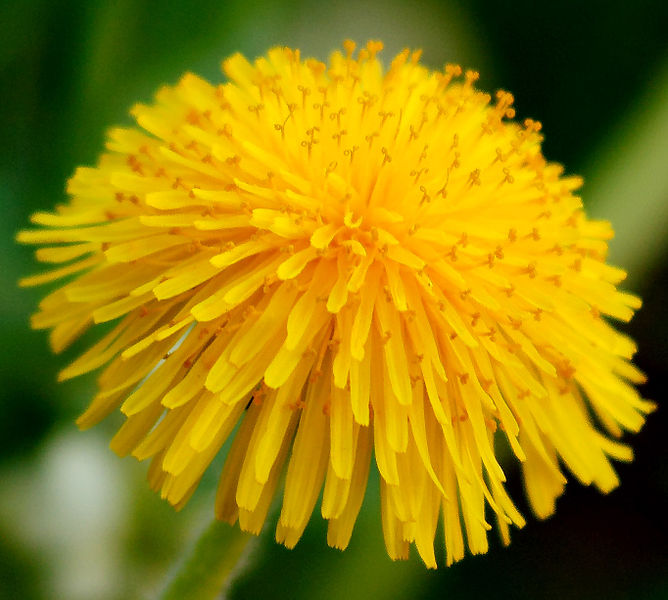
Dandelion – (Taraxacum officinale) It is one of the most common and generally considered, a problematic weed of landscapes throughout the United States, but judged one of the most valuable to the herbalist. A perennial plant, the dandelion has erect, hollow flowering stems that are approximately 2 to 6 inches in height, grown from a basal rosette. Its deep taproot can grow to 1/2" in diameter and for herbal usage should be collected from mid to late summer. The leaves (basal) are oblong and jagged shaped. They range in size from 2 to 16" depending on the environment, but normal is 2 to 6". The name "dandelion" comes from the French phrase "dent de lion" which means "lion's tooth", referencing the identifying characteristic leaves. Leaves can be collected anytime for herbal remedies.
The dandelion prefers open, sunny places and produces a bright yellow flower, approximately 1 1/4 to 2 inches in diameter. The flower grows from a single hollow stem and blooms from May through October. The small fruit forms a feathery pappus. This white seed head resembles a puff-ball and aids in wind dispersal of seed.
The dandelion is a great blood cleanser and commonly used as a liver and kidney tonic. The root can be used for any liver or kidney disorder. The old English name, "Pee-the-Bed" was given the dandelion for the leaves have a very powerful diuretic action. When the body is leached of potassium, the leaves rich in potassium, replace the loss of the valuable potassium. The dandelion is also rich in magnesium and calcium and containing vitamins A, B, C and D. The vitamin A levels in dandelion are higher than those of carrots. Horses have been reported actually digging up dandelions in order to reach the potent properties of the dandelion root.
When given the dandelion internally, it must be the medicinal Taraxacum officinale variety, not the subspecies, as in South Africa, that is toxic and can cause a stringhalt type lameness if eaten in large quantities. Some theorize that this type of dandelion can become infected with a toxic mold that grows on it and is linked to outbreaks of Australian stringhalt.
Devil's Claw - (Harpogophytum procumbens) A plant of the sesame family that is indigenous to South and East Africa. It is a sprawling plant with a stout, perennial rootstock that has a group of secondary storage tubers arising from it. Its annual stems allow it to live in very arid places, usually disbursed in patches on plains, dune bases and inter-dunes where soils are sandy.
The plants flower mainly from about November to April (summer). The flowers are trumpet-shaped in various shades of red, purple and pink. Fruits are produced from about January. The very distinctive spiny fruits, from which many of the common names are derived, are woody, oval and flattened capsules armed with central spines and lateral rows of horny arms bearing hooked spines. The fruits are well adapted for dispersal by animals as the hooks get caught in feet and hair or skin and are carried away. In time, they drop off, break open and release numerous seeds. Seeds are roughly oblong and dark brown or black. Wind may also help in dispersal and trampling will help bury the seeds.
Sow seed in a trench during mid- to late summer. Little fertilizer and water are needed because over watering may lead to fungus problems. Flowers should appear in about the second summer after planting. The first harvest should be collected after 4 years and should yield about 4 pounds fresh or a bit less than a pond dry tuber from each plant. Devil's claw has long been known as a medicinal plant where the roots are used. Roots are collected after the rainy season. Used for pain or inflammation in cases of arthritis, degenerative joint disorder or bony changes. This is an excellent substitute for bute, aspirin and cortisone without the side-effects.
Note: The seasons listed for this herb are for the southern hemisphere.
The Dog Rose - (Rosa canina) A native species of rose to Europe, including Britain, northwest Africa and western Asia, it is one of the most common species of rose. This deciduous shrub scrambles across the woodlands producing hedges offering a protective habitat and food supply for wildlife and livestock. This great hedge grows particularly successfully in a clay or partial-clay soil. It prefers semi-shade (light woodland) or no shade, and requires moist or wet soil. The plant can tolerate strong winds but not maritime exposure.
This fast growing shrub produces strong shoot like stems that can reach 7'. The long arching stems are green with shades of purple blended throughout and are covered with sharp, strong, hooked spines. These spines have points that are angled downward aiding the plant to climb by catching onto surrounding plants or objects. As the rose ages, the stems will turn brown. The oval leaflets range in color from dark green to blue-green and are pinnate. The leaves alternate on the stem and there are usually 3 to 4 pairs with a single leading leaf. Leaves can have either single or double-toothed saw-edges. The leaves, when bruised, have a delicious fragrance. The dog rose flowers in June or July and their sweet-scented pink or white blooms are solitary or in 2 to 5 corymbs. Each bloom spans
 about 1 1/2" and has numerous stamens and sepals which fall before the fruit is ripe. This fruit or hip is oval in shape and ripens to a reddish orange color, in autumn.
Rose foliage, even cultivated species, is enjoyed by all animals and horses particularly like eating the fruit or 'hips'. These hips are edible and high in vitamin C as well as a vast array of other vitamins and a high mineral count. They are often used to make syrup, jellies and other preserves as well as in the treatment of certain disorders. In autumn, when the hips are well-ripened they can be collected. Leaves should be gathered in late spring while the roots must be unearthed at the beginning of spring. The flower petals can be picked before they are in full bloom and are tonic and astringent.
As an astringent, boil 1 ounce of hips (topped and sliced), in 34 ounces of water till decreasing the volume by a third. Strain and pour into a spray or squirt bottle. Keep unused portions in an air-tight container.
As a tonic for humans, infuse 2 ounces of hips in 34 ounces of water. For horses, mix 15 to 20 hips, topped and sliced, with bran.
As an anti-inflammatory for the eyes, pour boiling water over 1/3 ounce of dry flowers. Allow to cool, but just enough not to burn the eye, soak a cotton cloth with the liquid. Put the soaked compress on the eye(s).
An active stimulant to calm the nerve, heart and brain.
Humans:
Infuse a spoonful of dried flowers per cup of water. Take 2 glasses per day.
Horses:
Five drops of essential oil of roses mixed in one cup of warm milk.
Note: The roots have been known to cure rabies, hence the likely origin of the name
Rose canina, dog rose.
Dill - (Anethum graveolens) Native originally to southwestern Asia, but today has been naturalized in many parts of Europe and the northern US. Dill is an erect, annual herb that grows 3 to 5 ' on stiff hollow stems. Blue-green in color, the leaves are free branching, fine and feathery. As a fast growing plant, the large, round umbels of pale cream to yellow flowers can turn to seed within 2 months. It prefers full sun and well drained sandy or loamy soil. Even though dill is an annual, their seeds can winter over in the soil and sprout up the following year.
Sow several crops in succession, three weeks apart, to assure a supply over the entire growing season. Leaves are best when fresh, so pick the leaves just as soon as they are large enough to use, usually 2-3 weeks after the flowers have finished.. Do not cut leaves during the day, early in the morning or in the late evening are appropriate times. Clip close to stem and store in a glass jar filled with water, covered with plastic, up to three days. Keep refrigerated. To harvest dill seed, after the flowers have turned to seed, cut the seed-heads when the majority of seeds have formed; cut seed-heads where a stem of about 6" remains with the seed-head. Place seed-heads upside down, in a brown paper lunch bag, leaving the stems protrude outside the bag. Tie the top of bag with string and hang in a cool, dry place. The seeds will fall into the bag when they mature and dry out. Store dried seeds in an airtight jar.
Dill has many culinary uses and is a staple in Greek cooking as well as in Scandinavian and German food. Fresh or dried leaves are used in salads, fish, vegetable casseroles and soups, dill adds a distinctive flavor. Used whole or ground, dill seeds add zest to breads, cheeses, and salad dressings. Closely resembling the anise plant in medicinal properties, dill can be used in the treatment of all digestive ailments.
E
Echinacea – (Echinacea purpurea, Echinacea angustifolia) Common names are American Purple Coneflower, Black Sampson, Missouri Snakeroot or Kansas Snakeroot. There are nine species that are indigenous to North America and of them three species – E. purpurea, E.angustifolia, and E. pallida – are traded on herbal markets. Echinacea is a perennial that belongs to the Aster family and is found growing in moist to dry prairies and open wooded areas.
A drought-tolerant plant, the various species have a range of 2’ to 5’ in height. Good drainage in light- textured or gravelly, clay-type soil is best suited for the plant and it will grow on relatively poor soil. However, too much water will cause disease and possible death. Full sun is required and if planted in groupings it will show a beautiful display. The daisy-like flowers are collected together into single rounded heads, with pale to deep purple ray florets surrounding a central cone which produces yellow pollen. The purple coneflower is called that because of its flower color and the petals of the outer ray florets tend to point downward once the flower head opens, thus forming a cone. Blooming from early to late summer, the purple flowers (rarely yellow or white, unless a hybrid) draw butterflies as an added attraction to the pasture or meadowland. The plant has lance shaped green foliage which are most numerous at the base of the plant. After blooming, the central cone will dry to black seeds. The plant naturally spreads through seed drop at the end of the growing season. The plant will do best when planted in the fall, around mid-October.
Marketed plant parts include wet and dry roots, leaves, and flowers. For medicinal purposes, it is primarily the root that is harvested. Generally roots are harvested in the fall after the first frost when vegetative growth is dry and brown. Leaves are harvested in the summer when plants are in or near full bloom. Roots usually dry in two to four days and drying can be done on racks, screens, or boards.
Years ago, this plant was the most widely used medicinal plant of the Central Plains Indians, being used for a variety of conditions. Today, it is widely used as a preventative for infection and for chronic viral and bacterial infections, and weak immune systems. In addition, it is used for skin complaints and to encourage wound healing in general. Echinacea can be used internally, and externally, as a poultice or compress. The antiviral and anti bacterial properties of this plant not only benefit humans, but animals of all species as well. For horses, it can be used as a prophylactic to protect them from infections such as strangles, cystitis and urethritis. It has also been used as a post-viral treatment to boost the immune system and help eradicate whatever bacteria or virus remains in the horse’s body. Safety Information: Should not be used for long periods of time or be given to mammals with abnormally functioning immune systems such as for AIDS or sclerosis in humans and, diabetes mellitus in all mammals or feline immunodeficiency.
Elder, Elderberry - (Sambucus nigra) It is native to western and central Europe, North Africa, and Western- and Central Asia, with a long history of medicinal use. A perennial shrub or small tree, elderberry can grow up to 33 feet. Elder¬berry can grow in a variety of conditions, but the most important habitat factors are high light availability and nutrient-rich, neutral to basic soils (pH 5.5 to 6.0). A woody shrub found naturally bordering streams and in adjacent bottomlands, on forest margins and in forest gaps. The plant is less common in forests, because it cannot survive under deep shade. Elderberry has an extensive root system that is useful for stabilizing stream banks, lakeshores, and other moist, erosion-prone sites.
The creamy-white flowers bloom in June and July usually in the third or fourth year of growth, rarely in its second. The flowers have a strong odor that deters some animals while luring others. The fruit is a black drupe sometimes greenish-yellow that is globular in shape. Each fruit grows ¼ to 1 inch round that can contain 3 to 5 seeds. The fruits ripen in August or September. Leaves are 8 inches in length, with 5–7 leaflets. Leaflets are 1 to 3.5 inches long and are broad and round at the base and tapers towards the tip and serrate. Rubbing the leaf produces a strong odor. Elderberry reproduces from seeds, sprouts, layers, and root suckers. The plant produces seeds in the fall to survive in cold conditions during the winter. Complete germination often takes 2 years.
The bark, leaves, flowers and berries are all used for medical purposes. The leaves, when bruised:
keep away flies
are offensive to most insects
can be used in a decoction to sprinkle on plants to keep away aphids
can be used as an antiseptic poultice for external wounds
Caution: Elder can be toxic, especially the fresh stems as these contain cyanide.
Eyebright – (Euphrasia officinalis) The plant is native to Europe, Northern and Western Asia and North America. Succeeds in most soils, but prefers low fertility grasslands with chalk or limestone soils including alpine or sub-alpine meadows, roadsides and lightly grazed pastures. It can grow in semi-shade or full sun.
Eyebright can grow to 8 inches in height. Its branchy stems produce round to pointed leaves and the flowers are borne in spikes from the upper leaves. Its small white bright-eyed flowers bloom from July to September. Other common flower colors are purple, blue-white, and violet. Some species have yellow markings on the lower petal to act as a guide to pollinating insects. It is an annual plant; therefore it must set seed each year to carry on from year to year.
Eyebright seed must be sown between August and December as it needs a prolonged period of cold, such as that produced through the winter, to generate germination the following spring. Eyebright is a semi-parasitic plant, growing on the roots of various species of grass, so to cultivate sow seeds around a suitable host plant. Eyebright grows wild in the meadowlands, and may be added to your pastures for easy free grazing. Eyebright can be sown as part of a mixture, or on its own into established grassland. Aerial parts of the plant are used for culinary and medicinal purposes. Parts used for medical remedies include the leaf, the stem, and small pieces of the flowers. The edible parts of the plant are the leaves and they are occasionally used raw in salads for their slightly bitter flavor. Gather the whole plant while it is in bloom, during late summer or autumn.
Eyebright may be used to cleanse the eye for eye irritations and can be used internally to aid mucous conditions. As a great tonic for the eyes, it is used extensively for conditions such as inflammation, weeping or stinging of the eyes. The herb is also used for eyestrain. Typical preparations using leaves include a warm compress or tea and is excellent when combined with witch hazel, for an eye wash, brew 30 grams of the herb in 1 pint of boiling water. A poultice can be made using eyebright with or without concurrent administration of a tea for the redness, swelling, and visual disturbances caused by blepharitis and conjunctivitis. Its astringent properties are excellent to relieve inflammation and reducing excessive mucus associated with colds, coughs, sore throats, hay fever, sinusitis, problems with middle ear and upper respiratory conditions.
F
Flax Seeds – (Linum usitatissimum) It is an annual plant that grows to a height of 12 to 36 inches. Having slender stems, flax will have a distinct main stem with numerous branches at the top which produce flowers. Most natural and commercial varieties have pale blue petals, with five petals; they can also be white or different shades of purple, blue or pink. The flowers open within the first few hours after sunrise on clear, warm days, and the petals usually fall before noon. The leaves are green and slender, tapering to a point. The fruit is a round, dry capsule containing several glossy brown seeds that are flattened and resemble the shape of an apple pit. Depending on the variety grown, the seeds may be various shades of yellow, brown, greenish-yellow, greenish-brown, or nearly black.
It is generally a cultivated plant, but does grow naturally in crop fields. Flax is also grown as an ornamental plant in gardens. It succeeds best in deep, moist loams that contain a large proportion of organic matter and are firm and not loose. It does not do well on heavy clays, or gravelly or sandy soils. Flax is normally self-pollinated, but insects cause some natural crossing. The seed must be kept dry, and is sown in March or April on ground carefully prepared. The crop must be kept free of weeds and within 2 months they will reach optimal growth. The plant should be harvested in August, before the seed is fully ripe.
Flax is one of the first crops domesticated by man and the plant is amongst the oldest fiber crops in the world. Flax is grown both for its seeds and for its fiber. Flax has been used for the production of linen for thousands of years. Dyed flax fibers have been found in a cave in Dzudzuana (prehistoric Georgia) dating back to 30,000 years ago. The seeds produce a vegetable oil known as flaxseed or linseed oil. Linseed oil is one of the oldest edible oils, and for centuries it has been used as a medicinal treatment and as a drying oil in many wood finishing products. The oil is also used as a nutritional supplement. Linseed oil is used to evacuate the bowels of sheep and horses curing constipation and worms.
The oil is extracted from the seed with little or no heat. After this process, a cake remains containing the starchy part of the seed. This cake, known as oil-cake, is an excellent protein source for livestock containing about 35% crude protein; used largely as a fattening food for cattle. This cake can be crushed (crushed linseed) or ground into linseed meal. Either crushed or ground, linseed meal can be used for making poultices either alone or with mustard. Commonly used for abscesses, it alleviates irritation, pain and promotes pus or discharges pus as a result of an injury or infection. With the addition of a little lobelia seed, the poultice works effectively in cases of boils.
Linseed oil is an exceptional remedy for burns and scalds. Mix with an equal amount of lime water. This mixture is known as Carron Oil.
Linseed oil mixed with honey, can be used for removing spots from the face.
Caution: Flax straw makes a very poor quality forage because of its high cellulose and lignin content and furthermore green flax straw is high in prussic acid. The danger of prussic acid poisoning is greater immediately following a freeze.
Fennel – (Foeniculum vulgare) the British perennial not the Italian annual. Fennel is a hardy, perennial herb which grows naturally over most of Europe and is considered indigenous to the shores of the Mediterranean area. Over the years, it has become widely naturalized in many parts of the world, especially on dry soils near the sea-coast and on riverbanks. It can grow to a height of 5 feet, provide amble space when planting to prevent it from spreading out and easily invading its neighbors. Fennel succeeds in most soils, but prefers a dry earth containing limestone; it can tolerate drought once established and needs a sunny position.
Fennel is an erect plant with hollow stems and soft green threadlike foliage and yellow flowers produced in terminal compound umbels. It can be easily mistaken for dill because of its similar leaves and blooms. It is in leaf in early winter and in flower from August to October. The fruit is a dry, grooved seed that ripens from September to October.
Fennel is pollinated by insects and uses its own pollen to fertilize itself (self-fertile). Spring is the best time to sow seeds in meadows and cultivated beds. It is noted for attracting wildlife and is a highly aromatic and flavorful herb with culinary and medicinal uses.
The seeds yield a sweet oil of high medicinal value and the stems yield a gum known as fennel gum. The fresh herb including the seeds can be used to treat gastric ailments, including colic, severe inflammation of the bowels and acute constipation. For constipation, raw root is sliced and mixed with bran and molasses administered daily. Added to teas, the seeds cure indigestion and the brewed foliage makes a valuable eye medicine.
Fenugreek – (Trigonella foenum-graecum) Fenugreek is an erect annual herb, growing to an average height of 2 feet high. Its native habitat is areas along the eastern shores of the Mediterranean. Usually found down field borders, uncultivated ground, dry grasslands and hillsides. Enjoys full sun and sandy soils; seeds can be sown any time between April and August, planting in a protected, sunny area. Fenugreek likes it hot; can tolerate drought conditions and will withstand some frost.
White to pale yellow flowers bloom from June to August. Once fenugreek flowers, thin seed pods will be produced which typically occurs in late summer or fall. The seeds are brownish, about 1/8 inch long, They are contained, ten to twenty together, in long, narrow, sickle-like pods. Fenugreek is used as an herb (the leaves), as a spice (the seed, often called methi) as well as for medicinal treatments. Harvest the leaves anytime throughout the growing season. Cut the stem, slightly above the base; the quality of leaves will decline once flower buds start to appear so try and harvest before then. Leaves can be used fresh or dried. Fresh leaves have a mild flavor and a more pronounced bitter taste when dried. When harvesting for seeds, allow the pods to ripen and turn yellow on the plant, sometime from Aug to September, then harvest shortly before the seed pods pop open. Dry the seedpods in a sunny location for about one week then break open the pods to extract the seeds. Store them in an airtight jar or plastic bag, where they will remain dry. The seeds have a pungent bitter taste and characteristic smell. The seeds can be ground and are extensively used today; it is a key ingredient as a spice in curry powder. It is used in condition powders for horses and cattle, for flavoring cattle foods and to make damaged hay palatable. In many parts of the world, the aerial parts of the plant are used as a fodder crop for livestock. It is very eagerly sought by all animals as a tonic. Fenugreek’s chemical composition is very similar to that of cod-liver oil and is a trifoliate like alfalfa and clover.
Fenugreek is the principal ingredient in many remedies used by grooms and horse keepers. It is an appetite stimulant and is effective to entice the horse to eat. Add about 1 teaspoon of seed to regular grain.
Externally, the seeds can be ground into a powder and used as a poultice for abscesses, boils, blisters, ulcers and burns.
Fenugreek can be found in Asian grocers (often called Methi or Mathi), local health food stores or online.
Caution: Do not use internally for long periods and do not use during pregnancy. Always consult a professional.
Feverfew – (Tanacetum parthenium) is a traditional medicinal herb which is native to Eurasia, but today cultivation has spread it around the world. The plant grows into a small bush topping 20 to 24 inches high and spreads rapidly, possibly becoming invasive. It will cover a wide area within a few years. A short lived perennial herb, but usually self-sows effectively. Prefers full sun and any ordinary good soil is suitable, but it prefers a well-drained, stiff, loamy soil, enriched with good manure. The stem is finely grooved and hairy, with alternating citrus-scented leaves covering it. Atop, are small, daisy-like heads of yellow flowers with outer white rays; feverfew is in flower from July to August. The plant can be gathered as it comes into flower and can be dried for later use. The seeds ripen from August to September.
To relieve the pain and swelling of bruises those caused by bites of insects and vermin, make a tincture from feverfew and apply to affected areas.
Make a repellent for biting insects by mixing two teaspoonfuls of tincture with 1/2 pint of cold water in a mixing bowl. Sponge freely all over animal – avoid eyes and muzzle. The mixture may be applied with a spray bottle. A tincture of the leaves of the true Chamomile and of the German Chamomile will have the same effect.
The dried flower buds are a source for insect control. Steep 1 cupful of the dried flowers in one quart of hot soapy water for an hour; strain, and allow cooling before use.
A tea made from the whole plant is used in the treatment of arthritis, colds and fevers.
Feverfew can be useful in cats as an alternative to aspirin.
Planted round dwellings, it is said to purify the atmosphere and ward off disease.
Caution: Fresh foliage should not be fed to animals; may result in mouth ulcers. Use dried leaves. Do not use internally for extended periods. Do not use during pregnancy. Always consult a professional before using.
G
Garlic – (Allium sativum) Garlic has a very long history of use in culinary and medicinal purposes, dating back over 6,000 years. It is native to Eurasia and its natural habitats are waste ground, roadsides, railroads, fields, meadows, thickets and grassy areas.
Garlic is a perennial plant growing from a bulb. They prefer to grow in a moist, light well-drained soil containing a high content of organic material. Dislikes very acid soils and bulbs are liable to rot if grown in a wet soil. Garlic succeeds in a sunny position. A stalk rises directly from the bulb producing aerial stems that are erect with flat or slightly folded leaves. Small flowers occur May through July and are greenish, whitish, or pinkish and tubular. Bulblets grow to mostly or entirely replace the flowers. Bulblets are whitish or more commonly, with reddish tinge.
Garlic is easy to grow, by planting individual cloves in the ground. In cold climates, cloves are planted in the fall for an early summer crop; about six weeks before the soil freezes. Plant the cloves with their noses just below the soil surface. Harvest the bulbs in late spring when leaves begin to yellow and droop.
Wild animals seek out all species of garlic for a general protective and cleansing herb. Gorillas are known to often plant areas of garlic where they have their colonies. Garlic is one of the best known and most widely used herb in the horse world; available in an array of horse products as well as being available in powder form for addition to feed. Garlic is a supreme remedy for all infectious ailments of the blood-stream, lung and digestive areas. Externally, it is used for the disinfecting and healing of all types of sores and worms, also parasitical infections.
For internal applications, crush 6 to 8 fresh cloves and administer in feed daily or 1 to 1 ½ tablespoons of pure garlic powder daily.
Make a strong brew for external purposes. Add a handful of minced cloves to a pint of cold water, cover with lid. Bring contents to a boil, and then simmer gently for several hours, keeping covered. Allow to sit and brew. Do not strain and apply directly to affected areas.
Garlic plants are said to repel rabbits and moles.
Golden Rod – (Solidago virgaurea) A perennial plant native to Europe found in the meadows and pastures, along roadsides, ditches and waste areas. The golden rod plant is a common weed in several countries typically found in fairly moist soils, but not found on waterlogged sites and only rarely on very dry sites. It grows best in full sun being fairly shade intolerant but has been found in sparsely wooded areas.
Golden rod has a single, erect, woody stem, growing to a height of 6'. The leaves surround the central stem and alternate on the stalk up to the flower heads with larger leaves occurring near the bottom. The leaves are clear green and can either be toothed or have fine edges. The eye-catching bright, golden yellow flower heads are arranged in dense clusters forming large, tight colonies. The plant is in bloom July through October. The fruit does not open to release its dry single seed.
All aerial parts of the plant are used for medicinal purposes. Collect leaves and flower tops in early summer through to autumn.
Consuming the leaves and flowering tops is helpful for urinary infections and kidney stones. It also helps digestion.
A poultice is used for boils, burns, headache, toothache, wounds, and sores. Native Americans chewed the leaves to relieve sore throats and chewed the roots to relieve toothaches.
Gotu kola – (Centenella asiatica) It is a perennial creeper found throughout tropical regions of the world. Gotu kola has been used as a medicinal herb for thousands of years in India, China and Indonesia. Preferring habitats in low wet areas, such as paddy fields, grass areas and riverbanks, their long-stalked, fan-shaped green leaves have also been known to grow on walls in the wild; therefore drier conditions may be tolerated.
The smooth leaves can reach a width of 1 inch and a length of 6 inches. Born in an umbel from the slender stems, small, inconspicuous, light purple to red flowers arise in a sessile manner, usually containing 3 to 6 blooms. Fruits are also small, and oval in shape are borne throughout the growing season. The fruit is 2 inches long with 7 to 9 ribs and a curved, strongly thickened fruit wall.
The leaves and shoots are the parts of the plant used internally and externally as a medicine. Usually collected from the wild, gotu kola can be harvested at any time of the year and is used fresh or dried. There are reports that say the dried herb quickly loses its medicinal properties, so it may be best if used fresh.
Externally, the herb is applied to slow healing wounds, treatment of bruises, sores and ulcers. It can help reduce swelling, repair connective tissues and rheumatic joints, and improve circulation.
A poultice of the leaves can be made to treat open sores.
H
Hawthorn - (Crataegus oxycanthus) It is a shrub or small tree that thrives in hedgerows. Often they are found in open woodlands, on the edge of the woods and in fields as lone trees in the temperate regions of Europe and the British Isles. Because of the ability at interbreeding, hawthorns have created many cross forms and there are different species that are native throughout the northern Hemisphere, including all parts of Europe, northern Africa, Middle East, Asia and even China. Hawthorn is a hardy and thorny tree of the rose family with a dense crown that rarely grows to more than 30 ft.
With a preference of full sun exposure, hawthorns are adaptable to different soil conditions but grow particularly successfully in clay or partial-clay soil. 3-lobed leaves emerge before the flowers develop. They are deeply cut, green in color and about 3 inches long. In the autumn, the leaves turn yellow. Flowers are produced in late April and early May and the small, fragrant, showy, white five-petaled flowers grow clusters and cover up almost every inch of the tree and hence receive one of its most popular names, May-blossom. Each flower is about 1/2” in diameter and is moderately fragrant. In the autumn, the flowers turn into an abundance of bright red hard little berries called 'haws', which attract wildlife, but are not especially palatable to humans. A haw is small and oblong, similar in size and shape to a small olive or grape. Haws develop in groups of 2 to 3 along smaller branches.
The edible parts of the hawthorn are the haws, petals, and leaves. If the leaves are picked in the spring when still young and tender enough can be used in salads. The flowering tops are harvested in May then dried quickly in the shade to avoid discoloration. The berries are collected in the autumn. Again, dry quickly and thoroughly in the shade to avoid mold formation. Hawthorn's therapeutic actions come from the haws, as well as flowers and leaves. It is a good heart and circulatory tonic. Hawthorn has also been used for nervousness and as a digestive tonic to help with constipation and aid digestion of fatty foods.
The leaves or the pulped raw fruits can be made into a poultice and used as a drawing remedy for deeply embedded splinters and thorns.
Hawthorns are popular as hedgerow trees because of their spines and close branching habit render it effectively livestock and human proof with some basic maintenance. An added value is the wildlife habitat hawthorns create for small critters with their impenetrable tangle of thorns and craggy habit providing them many little hiding holes and crannies.
Hazel – (Corylus avellana) It is native to Europe and western Asia and is common in many European woodlands and hedgerows. Hazel is a small-nut tree reaching heights from 10’ to 26’. The deciduous leaves are rounding, shiny, crisp and hairy on both sides. The attractive flower catkins are produced very early in spring, before the leaves and are yellow-green in color, touched with red. After wind-pollination, the flower will generate the nut of the hazel called hazelnut; appearing in autumn. The nuts are produced in clusters of one to five together, each nut held in a short leafy husk which encloses about three quarters of the nut. Roughly spherical to oval in shape, the nut has an outer fibrous husk surrounding a smooth shell. The nut falls out of the husk when ripe; usually occurring about 7 to 8 months after pollination.

For generations, the tree has been known for its magical powers. Popular among believers and much used, the twigs are used to locate such things as underground water; called a water-divining rod. Placing woven hazel twigs on horses was believed to protect them from bad luck; including theft and poison and twigs nailed to livestock buildings guarded against fire and flood.
The foliage fed to milking animals can increase their milk supply. The nuts will fatten livestock.
Heath - (Erica species)The plant family Ericaceae has over 800 species throughout the world, most of them native to South Africa. , Erica and Calluna, grow profusely on the moorlands of Europe and are part of what gives those expanses their distinctive appearance. Erica are commonly called heath, and the similar Calluna is known as heather.
Heaths vary in size from dwarf shrubs 6 to 12 inches high to large, tree-like shrubs up to 16 feet high. Heaths are superb landscape plants and are especially beautiful when surrounded by varying-sized Heaths and Heathers. The low-spreading slow-growing ground cover is an evergreen with needle-like leaves about one-third of an inch long. The foliage comes in a wide variety of colors including gold, silver, red, gray, and an unlimited range of greens, from olive to lime.
Heaths bloom in winter and spring and they bear delicate, but very showy flowers bell-shaped flowers in a range of colors of white, lavender and scarlet depending on the species. Flowers are sometimes between the leaf and stem and sometimes in terminal umbels or spikes, and are usually outward or downward facing. Heaths are relatively low-maintenance plants. They may occasionally need pruning which should be done in the spring (after flowering). A light trimming to remove spent flowers and branch tips is suggested. A hard pruning (resulting in leafless branches) is not recommended.
The seeds are very small, and in some species may persist in the soil for decades. Heaths need acidic, sandy, peaty soil, much like the moors they naturally inhabit. Since heaths have a shallow, fibrous root system, an absolute requirement for survival is soil that is able to retain moisture, but at the same time be well drained with an ample content of essential organic matter. The plants need some full sun to maximize flowering as well as having a location with part shade.
Heath plants make a good fodder for horses. Cut and dry leaves and flowers. Heath leaves dry easily and several handfuls can be given daily mixed into bran.
S
Strawberry Leaves - (Fragraria vesca,) The strawberry is a creeping perennial plant indigenous to Europe. It has spread to cover the whole of the Northern Hemisphere, exclusive of the tropics. Typically it chooses a slightly sheltered position and it is found growing naturally along trails and roadsides, hillsides, meadows, woodlands edges and sparse forest.
The plant prefers full sun and a well-drained soil that is rich in organic matter. This compact plant grows 4 to 8” tall and spreads indefinitely by runners that root as they go. Numerous, small, 5-petaled white flowers with yellow centers appear throughout summer. The thin and delicate green leaves are tri-foliate and coarsely-toothed which produce edible, fruits with small cone-shaped, scarlet berries (1/2” long) and studded with tiny, brown 'seeds. The red strawberries may be harvested throughout summer. Flowers and fruit are usually simultaneously present on plants in summer. Seedlings planted in spring should begin ripening their first berries that same summer. In years to follow, the plants will begin fruiting in spring.
The whole plant is considered refrigerant. A much valued herb, being highly rich in minerals and antiseptic. The fruit contains malic and citric acids. The easily assimilable iron in the leaves makes a good tonic for livestock, especially racehorses. The leaves and rhizomes (roots) are used mainly for medicinal purposes. The leaves should be collected after the flowering stage.
Strawberry leaves are diuretic and astringent. The leaves and root are used in fevers and wound healing and have a long history of being made into mild teas. Traditionally, people have used the teas to treat diarrhea, intestinal and urinary complaints. Some people also add the leaves to their bath water to relieve minor aches and pains. A herbal bath can be made for your horse using strawberry leaves and a basic recipe; visit Herbs for My Horses…Their Uses.
Juice from the berries or pulped and slightly heated foliage can be applied to inflamed areas, skin rashes and ulcers.
Something for us…
For the Teeth:
Remove discoloration of the teeth with the fresh fruit juice of the strawberry. Cover teeth with the fresh fruit juice and allow it to remain on for about five minutes. Clean the teeth with warm water, to which a pinch of bicarbonate of soda has been added.
For the Skin:
A cut Strawberry rubbed over the face immediately after washing will whiten the skin. It will also aide in removing slight sunburn. If skin is badly burnt from the sun, it is recommended to rub the juice well into the skin and to leave it on for half an hour. Wash off with warm water to which a few drops of simple tincture of benzoin have been added; no soap should be used.

Southernwood - (Artemisia species Family: compositae) Its origin is uncertain but it is thought to be native to the Mediterranean. Its native habitat is on disturbed sites such as roadsides, hillsides and open fields. It has run away from cultivation in the Northeastern United States and occurs there sparingly.
It withstands drought and prolonged freezing temperatures and prefers a sunny location with moderately acid to moderately alkaline soils. Southernwood can tolerate elevations above 10,000 feet. It forms a small bushy shrub growing to 4ft tall by 3ft wide. It has a rather thick, tapering root and its green-grey foliage is of a sweet, pungent scent. The flower-heads are small and numerous, in long, slender, drooping racemes, the green-yellow flowers are in bloom in late August and September.
It is an excellent wash for skin parasites, like fleas, and is a tonic for the hair. Dried Southernwood leaves can be place in sachets amongst clothes as a moth repellant.
Skin Wash or Hair Tonic:
Use one teaspoon of finely cut southernwood leaves with one teaspoon sage herb and six spice cloves. Add a large cup of cold water and make a brew. Let cool.
Insect repellent:
The fresh plant can also be rubbed onto the skin to deter insects. The shoots can be dried for indoor use; they remain effective for 6 - 12 months.

Sunflower Seeds - (Helianthus annuus) Black oil sunflower seeds, referred to as "BOSS", are an annual plant native to the Americas. One of the few cultivated plants native to North America, it is believed that wild sunflowers covered thousands of square miles of land that is now the western United States.
Sunflowers generally grow best on well drained soils. Planting sunflower can begin anytime after soils have warmed to 50 degrees F, April to mid July. Plant the seeds 1-2 inches deep and 8-12 inches apart in loose soil and full sun. Sunflowers are rapid growers and they produce large, rough leaves on strong sturdy stems. Reaching 3’ tall, each sunflower head is composed of two types of flowers. The band of yellow petals around the edge of the head is ray flowers. The face of the head is comprised of hundreds of disk flowers. These disk flowers mature to seed approximately 3 months after planting, usually in early fall, forming black faces. It is these seeds that are the sunflower seeds and can be harvested.
Cut the flower heads off each stalk and hang upside down to dry. When completely dry, the seeds can be rubbed off with your hands. For this process, place a container to catch the falling seeds. Store seeds in a brown paper bag in a cool, dry place so they will stay fresh.
NOTES:
A good idea is to stagger plantings of sunflower seeds on several different dates, over several weeks to allow plants to mature at different times to ensure an ongoing supply.
Cover the heads with mesh to prevent birds from feasting on them prematurely.
A relatively "new" supplement for horses, black oil seeds compared to striped sunflower seeds have higher oil content and are meatier. They are also easier to crack open.
Adding BOSS to the daily allotment of horses has positive effects. Two visible affects are great shiny coats and weight gain. A tablespoon a day will give your horse a nice shiny coat without the weight gain. Feeding at higher levels will increase calorie intake, adding weight gain. BOSS is an alternative to adding an oil to feed; with the nutrients providing an added plus. Caution should be taken when feeding more than a tablespoon per day; the seeds are too oily and can cause skin problems in excess. Consult your vet for any change you plan on making to your horse’s diet.
The internal values of BOSS are numerous. They are packed full of vitamins and minerals.
General Nutrients:
Protein
Carbohydrates
Fiber
Sugars
Fat
Water
Omega-3Fatty Acids
Omega-6 Fatty Acids
Lysine
Vitamins:
Vitamin A
Thiamin
Riboflavin
Niacin
Vitamin B6
Vitamin C6
Vitamin E
Folate
Vitamin K
Pantothenic Acid
Minerals:
Calcium
Copper
Iron
Magnesium
Manganese
Phosphorus
Potassium
Selenium
Sodium
Zinc
They are also high in amino acids; which are very important for muscle building and maintenance.
Leaves of the sunflower have been used as cattle feed.
T
Tansy – (Chrysanthemum vulgare) A robust perennial that is a native of Europe and Asia and has become widely naturalized in North America. This perennial plant spreads via an extensive, spreading rhizome root system and profuse seed production. It grows naturally along roadsides and waste places, but is perhaps found foremost along riverbanks where the disturbed soils beside quick flowing water spread the seeds for miles downstream. Needless to say, this plant self sows readily. Growing on erect stems, the average height of the plant ranges from 2 to 4 feet, but may reach 7 feet. It prefers sites in full sun and requires well-drained loamy or sandy soils, but will tolerate mild drought. Adjustable to a wide climatic tolerance, it prefers cooler continental climates.
Bloom time is from July to October. The flowers are yellow and cushion shaped. Both the flowers and leaves have a pungent camphor scent. The flower head mounds are comprised of daisy-like disk florets that measure .5 inch wide. With its 6 inch long leaves that are deeply dissected and hairy, the foliage has a ferny appearance. The leaves and flower tops of this herb are mainly used as a vermifuge to expel intestinal worm infections such as those of threadworms. Seeds are used for these purposes too. Horses and cows may sometimes browse the tender young leaves of the common tansy, but they leave it alone as it becomes established. The aromatic fresh young leaves and flowers may be used in foods and beverages as a flavoring agent. It can be used as a substitute for sage in cooking.
Tansy is rich in volatile oils, mainly thujone, which is a potent and bitter substance often used medicinally as a wash to treat roundworm, or it can be given internally to expel intestinal worms. The volatile oil can be distilled from the plants.
Tea Tree Oil – (Melaleuca alternifolia) The plant is native to the northeast subtropical coastal region of New South Wales in Australia. Its habitat is restricted to the swamps and water-courses and is found naturally forming impenetrable thickets. It is a small evergreen tree or tall shrub, reaching heights of 19 feet. Grown best in full sun and fertile, moist soil conditions with irrigation, the plant is very slow growing and can be kept as a bush for many years.
Its narrow linear, needle-like leaves are 1.5 inches long and release a distinctive aroma when crushed. The plant has white 1 to 2 inch flowers that bloom from late spring to summer. The tiny woody, cup-shaped fruits grow in spike-like clusters. The volatile oil derived mainly from the leaves of the Australian native plant Melaleuca alternifolia has been used for almost 100 years in Australia, but is now available worldwide. Through the process of steam distilling, the oil is extracted from the leaves. The oil is pale yellow to almost clear in color and has a cool, fresh odor slightly resembling camphor.
Although not grown wild in pastures, the plant makes a good hedge or screening shrub (out of horse reach) and one should not be left without this useful herb. Propagation is by seed only and for the domestic gardener, this is not always successful. Historically, the oil properties have been capitalized on for its natural soothing and cleansing assets. The antiseptic, antifungal, antiviral, antibacterial and anti-inflammatory actions of the oil are effective for treating many ailments: minor cuts, abrasions, external parasites, stings, burns, and skin and fungus infections. It also successful in the relief of boils, blisters, acne, warts, cold sores and athlete's foot.
A few drops of oil mixed with water or vinegar makes an effective Fly repellant … see Pest Control. Tea Tree Oil has been used for skin conditions such as rain scald … see Rain Rot. It can be used to message strained, bruised, damaged or rheumatic muscles and can be added to water and used as a compress or as an inhalant for horses if excess or infected mucus is present.
Therapies:
Athlete's foot – dilute the oil to 25% to 50% and apply for 4 weeks
Fungal nail infections - apply 100% tea tree oil for 6 months.
Combine Tea Tree oil with baking soda and vinegar for a natural antibacterial cleanser.
Caution: Tea tree oil is safe to use for topical applications, but as with any essential oil, neat (undiluted) tea tree oil must never be used directly on the horse. It may be toxic when ingested internally in large doses or by children. Do not give internally to humans or animals.
Thyme – (Thymus vulgare) It is an ancient herb that is indigenous in Britain, Europe, northern and central Asia. It can be found growing wild on banks and some mountain highlands. Thyme grows in a fairly moderate climate and requires full sun and a sandy, well-drained soil. It tolerates drought well and will survive an occasional freeze. A slow growing, low, woody plant, sometimes almost shrubby and occasionally prostrate; thyme is a perennial living for years. Generally planted in the spring, it can be propagated by seed, cuttings, or by dividing rooted sections of the plant.
Thyme has tiny leaves that can be wooly, shiny or edged with a silver color. Its aromatic scent is released when the leaves are disturbed. Blooming tiny purple blossoms in late summer, the leaves and flowering tops are used as a culinary and medicinal herb. The best time to harvest is in August as it breaks into bloom. The branches are cut off the plant leaving two inch nubs above the ground for continual growth. Tie the sprigs together and hang them upside down in a dry, dark location until completely dry. Once dried, strip the leaves off the stems and store in a jar.
The expressed oil yields the powerful antiseptic and worm expellant substance, thymol. Another volatile oil, thyme is prohibited by Jockey Club and FEI rules. It is a traditional cure for all manner of respiratory illnesses, digestive complaints, including colic, and nervousness. Thyme can be used externally as a brew for skin infections and irritations. An infusion in vinegar can be made as a repellant for biting insects. Thymol is toxic in large quantities, use with caution. It should not be given to pregnant mares.
U
Uva Ursi - (Arctostaphylos uva ursi) Also known as kinnikinnick, beargrape, or bearberry. It flourishes in alpine forests in many regions, including North America and Europe. Uva Ursi grows on sites that are moisture deficient because of rapid drainage such as dry walls of canyons and rocks, this low growing ground cover forms dense, 15" spreading mats 6" to 12" high. The leaves are evergreen, shiny, small, and feel thick and stiff. They remain green for 1–3 years before falling. New stems can be red if the plant is in full sun, but are green in shadier areas. Older growth stems are brown and woody. In April and May, they bloom small, urn-shaped, white or pink flowers followed by clusters of bright red berries, in late summer. Persisting through winter, the berry or fruit is edible, but sour tasting. It is unpalatable to domestic livestock, but relished by wildlife. Bears are said to be fond of the shiny, bright red fruit, hence the common name of bear berry was given.
Only the leaves, not the berries, are used in medicinal preparations. Collection of the leaves can be performed at anytime, but preferably in the spring and summer. This herb has been used for urinary tract complaints, including cystitis. Do not use more than two weeks, repeatedly or on a long-term basis. Uva Ursi, can cause serious organ damage. Available in your local feed store or some supplement companies, like Horse Health, are now packaging Uva Ursi leaves.
V

Valerian – (Valeriana officinalis) A hardy perennial plant, found throughout Europe and Northern Asia, and is common in England on the banks of ditches and rivers and along the sides of old walls. With its rich, dark green leaves and its erect, sturdy growth, valerian can generally be seen towering above the usual herbage. Reaching heights of 5’, its round, but grooved and hollow base divides in two or more pairs of flowering stems. The crowning masses of blooming heads are comprised of small sweetly scented pink or white flowers that display themselves from June to September. The flower extracts were used as a perfume in the sixteenth century. A sun loving to semi-shade plant, valerian does well in all ordinary soils, but prefers rich, heavy loam, well supplied with moisture and food. The roots of this important herb are perennial and have a peculiar pungent aroma. This may account for its ancient name of “phu” or “fu”. Dogs and cats have a desire for this plant and will chew all parts including the roots.
The root is the medicinal part and growth of at least two years is suggested before lifting. In September or early October, all the tops are cut off with a scythe and the rhizomes are harvested. Clean and place in brown sack to dry. Keep out of direct sunlight. The medicinal properties of the root have earned the plant its popular name of all-heal. It is powerfully nervine and sedative, without being addictive and is believed by some as a remedy for epilepsy. It is used for conditions of colic, stomach cramps, stress, anxiety, insomnia and nervous irritability. Cut or powdered root can be given to help relax and calm a horse without them becoming doped or affecting their performance. Externally, the expressed oil can be used as a rub for cramps and muscle tension.
Note: Can cause digestive upset if used in large doses. Not recommended during pregnancy.
Vervain – (Verbena officinalis) A perennial herb grown naturally by the roadside and on barren ground, also known as Simpler's Joy, Holy Herb and Herb of Grace or more ambiguously as "mosquito plant". A very easily grown plant that prefers well drained but moisture retentive limey soils in a sunny position, a plant very tolerant of neglect and will maintain itself for a number of years. For aesthetic affects, plant Vervain in groupings of odd number. The lobed leaves toothed; the delicate spikes hold closely growing pale lilac flowers. Harvest the plants just as flowering begins in the summer and dry for later use.
Used traditionally for rheumatic pain, to strengthen and restore the nervous system, nervous exhaustion and in healing wounds. Internally, consumption of the whole plant treats all fevers, anxiety, liver and gallstone complaints. Make an infusion for external treatments of minor injuries, eczema, sores, inflammation of the eye, neuralgia, gum disease and ulcers.
W
Witch Hazel – (Hamamelis virginiana) A beautiful deciduous large shrub that flourishes on shaded north-facing slopes, along fence rows, country roads, and the stony banks of brooks. This shrub prefers a moist, cool, acidic soil in full sun to partial shade. Fall bloom of yellow spider-like flowers produced in October and November after foliage drop seeds. The plant has a habit of producing flowers at the same time the previous year's fruits mature and disperse seed. Witch hazel produces a capsule-like fruit enshrining two shiny hard black seeds with white, oily, edible interiors, which are expelled explosively from the capsules in fall. The seeds’ flavor is like that of pistachio nuts.
The whole shrub is medicinal, but the bark is the most potent part. Major properties for medicinal purposes are antiseptic and astringent. Make decoctions for external use on sore or inflamed eyes and as a compress to stop bleeding. Witch Hazel treats wounds, sores and an excellent relief to itches and skin irritations such as certain insect bites. Great when added to water for an herbal wash and applied to bruised legs and tired, sore muscles.

Wormwood – (Artemisia absinthum) A perennial plant growing naturally on uncultivated, arid ground, on rocky slopes, and at the edge of footpaths and fields where the soil is dry with bright exposure in fertile, mid-weight soil. Its leaves are dark green, covered in silky grayish hairs, which gives them a downy feel. Its flowers are pale yellow, tubular, and clustered in spherical bent-down heads. Flowering is from early summer to early autumn with small, greenish-yellow, nearly globular flowers arranged in a leafy panicle; the fruit is a small and seed dispersal is by gravity. Gather the leaves and flowering tops when the plant is in full bloom and dry naturally or with artificial heat.
Wormwood shrubs are very coarse, sprawling, and aromatic. Its leaves and flowers are bitter, and the leaves and roots give out a substance that restricts many other plants from growing nearby. The plant's characteristic odor can be useful when added in remedy sprays against pests. Used since the time of Rome’s occupation in Britain to rid livestock of worms, today it traditionally remains a treatment to expel roundworm and threadworm when administered internally. It should be used internally by the experienced only, for Wormwood is a very potent herb. For internal applications, replace Wormwood with the milder Southernwood. Safely used externally, wormwood is great for deterring skin pests. Externally used as a compress to alleviate pain from rheumatism and to stimulate poor circulation. Use with caution and avoid excessive or long-term use.
Y
Yarrow – (Achillea millefolium) Grown naturally in pastures, hedgerows and wastelands in dry sunny areas, these plants prefer a temperate climate. Generally described as a perennial favoring full sun; this plant appears best grown in groupings of odd number such as 3 – 5. A medium textured soil with a pH range of 6–8 pH flourishes a healthy plant. Green foliage and finely feathered leaves with inconspicuous white or pinkish disc-form flowers. The bloom period is early summer and these flowers will dry in the fall and produce a moderate amount of noticeable brown fruits or seeds. The whole plant, stem, leaves and flowers collected while flowering are prepared for remedial applications. Used externally to aid in healing wounds and burst blood vessels, additionally, it helps control fever, colic and lowers blood pressure when taken internally.
FODDER TREES

Just a few words on fodder trees; first, they are trees or shrubs used as feed for livestock. Some trees make excellent fodder crops while others do not and each variety affects different animals differently. These trees provide edible foliage, flowers, fruits, roots, seeds and seedpods for confined animals. Our pasture and garden designs include fodder trees, not as a sole component of feed for the horses, but as a compliment to their daily rations. We incorporate fodder trees/shrubs throughout the property along with other purposeful trees for the many benefits humans and animals gain from them. Agriculturally, they contribute immensely not to mention the environmental impact they deliver. The fodder trees below are safe and highly palatable for horses, therefore plant far enough away from the fence so that the horses cannot gorge. The distance should allow the horses to reach the trailing branches only, once trees become well established.
 Ash – (Fraxinus excelsior) A woodland tree that makes excellent fodder for horses. Let the horses feed off the leaves ad lib or occasionally cut down some branches and throw in pastures. Ash is a valuable broadleaved tree due to its ecological characteristics, outstanding wood properties and high economic value. Interestingly, the ash is referred to as the “Tree of Life” in Norse Viking mythology. It was thought to have medicinal and mystical properties and the wood was burnt to ward off evil spirits, hence its name "ash". Additionally, it is believed that a shepherd's crook made of ash-wood will protect flocks and herds and a thrust with an ash-staff will overthrow an attacking wolf or snake.
Ash is a fairly abundant tree native to most of Europe. It is a large deciduous tree growing 60' to 80' with a 60' to 90' spread when fully mature. Ash occurs on a wide range of soil types, but is particularly associated with fertile, pH-neutral, deep, freely drained soils. It is common in woods and if allowed to get a foothold, on northern and eastern sides of hills where the atmosphere is moist and cool. As is easily recognized by the large black buds that are displayed prior to leaf expansion. In the springtime, the black buds open to reveal petal-less flowers with purple stamens. The female flowers ripen into clusters of 1.5", winged fruits called "keys"; so called because they look like old fashioned keys. Also, they spin in the wind as they fall to earth so they are also called “spinners”. The keys will turn brown and can remain on the tree well after the leaves have fallen, in autumn. All parts of the tree are used for medicinal purposes; leaves, bark and seeds ("keys"). Treatment of rheumatism, bowel inactivity and fevers; chopped leaves are added in a bran mash for rheumatic cases. Ash bark is an astringent, diuretic and febrifuge.
Beech - (Fagus sylvatica) A deciduous tree that grows naturally in the woodlands of central and southern Europe. Given space to breathe, the beech will spread its branches out wide, normally sweeping the ground, and produce a dense, upright oval growth habit. The tree grows slowly at a rate of 1' per year, but over the years it will become large 50' to 60' shade tree with a trunk up to 50' wide. Trees are shallow rooted and this might make them less wind resistant.
The beech does not tolerate salt air or a salty soil. It is best grown in deep, rich, moist but well-drained soils in full sun to part shade. Intolerant of wet, poorly drained soils. The whole tree is beneficial; buds, leaves, bark and nuts. It usually flowers in April or early May, but considered not ornamentally important by most. The seeds ripen into shaped nuts, from September to October. Even though they are safe for human consumption, they are not common food. However, deer and horses find the nuts edible and enjoyable. Several varieties of beech exist with the copper beech being the most popular. A brew made from the leaves or bark is a remedy for ailments of kidneys and liver, also diabetes.

Chaste Tree Berry – (Vitex agnus-castus) Native of the Mediterranean region, it has now been introduced worldwide in warm temperate and subtropical regions. A deciduous shrub/tree growing to 10 to 15'.The fruit/berries, leaves, tender stem parts, and leaves are all used from this plant. Its delicate-textured; foliage; is aromatic. The Flowers of lavender color bloom in late summer.The berries somewhat like peppercorns have an aromatic odor; taste warm, peculiar. The berries are harvested by gently rubbing the berries loose from the stem. It prefers full sun to partial shade in well drained soil. The leaves, flowers, and/or berries may be consumed as a decoction, traditional tincture, cider vinegar tincture, syrup, elixir, or simply eaten straight off the plant as a medicinal food. Used for hormonal imbalances in mares, regulates menstrual cycles and increases milk production and has been found beneficial for horses with Cushings disease. The fresh ripe berries can be pounded to a pulp and used in the form of a tincture for the relief of paralysis, pains in the limbs, weakness, etc.

Ginkgo Tree - (Ginkgo biloba) Also known as Maidenhair Tree is native to a small area of China. Reaching a height of 66–115', Ginkgo trees are long-lived, with some specimens more than 2,500 years old. Rarely suffering from disease problems and the lack of large insect attacks contribute to their longevity as well as the capability of producing aerial roots on the undersides of large branches in response to disturbances such as crown damage; these roots can lead to successful clonal reproduction upon contacting the soil. Found along stream banks, rocky slopes, and cliff edges, this shade-intolerant species grows best in environments that are well-watered. A fine, silty soil with good drainage and a pH range of 5 to 5.5 is their preference.
Its tenacity has been shown in the 1945 atom bomb explosion on Hiroshima, Japan. After the devastation was examined, Ginkgo tree(s) were found charred but still alive between 1/2 to 1 mile from the hypocenter. Soon these trees were healthy again and are alive to this day. Today, the tree is widely cultivated for its various uses as a food and medicine. Ginkgo is mainly used as memory and concentration enhancer, and anti-vertigo agent. The leaves are used for the treatment of circulatory disorders and to improve cognitive function in horses. The tree is the national tree of China.
 White Willow - (Salix babylonica) A tree native to dry areas of northern China and has become naturalized in North America. A medium- to large-sized deciduous tree, growing up to 80' in height with a 35' spread. It grows rapidly, up to 10 feet a year, but has a short lifespan. It grows in damp, low places, especially along riverbanks, and thrives in moist-to-wet, heavy soil in sun. The willow produces lance-shaped, finely-notched leaves that are a paler green on the underside. White willow branches were once regarded as a symbol of desolation and grief and were displayed by those who experienced "lost love". Many have often planted willow in burial grounds, symbolizing grief at the death of a loved one.
Cattle and horses eat the young shoots and foliage. Used for colic and cramp and willow is a refrigerant herb, valuable in fevers. Also, an anti-inflammatory and an assistant in pain relief. Willow is tonic, astringent and antiseptic.
An External Brew:
Brew two ounces flaked bark in two pints of water. Use hot and massage well into sore or cramped muscles.
White Willow Bark- Willow bark has been used throughout the centuries in China and Europe, and continues to be used today to ease pain and reduce inflammation. In 1897, the Bayer Company used white willow to develop aspirin. Pain relief with white willow appears to be slower than when aspirin is administered, but its effects may last longer. However, at a much lower dose, willow is as effective as aspirin for reducing pain and inflammation (but not fever). White willow bark is a bitter, astringent, cooling herb that reduces fever, increases perspiration and cools the body. Used externally, white willow bark's antiseptic properties extend to its help in treating cuts, burns, wounds, sores, sweaty feet, dandruff and as a mouthwash to ease tonsillitis, sore mouth and sore gums.
- Prolong the life of cut flowers or revive wilting ones:
Crush the chamomile plant (about two dessertspoons) and infuse in half pint hot water. Add to flower vases.
This formula can be used for any type of laundry, but it’s especially nice for cotton linens that are allowed to dry naturally in the sun after washing. The aloe vera juice and vinegar soften, while citric acid and grapefruit extract brighten and sanitize.
2 cups liquid castile soap
1/2 cup aloe vera juice
1/2 cup white vinegar
1 cup water
1 tablespoon powdered citric acid
2 teaspoons grapefruit seed extract
15-20 drops lemon (or lemongrass) essential oil
Combine all ingredients into a plastic container, preferably one with a pour spout. Give this formula a gentle shake, or just turn it upside down once or twice to make sure all of the ingredients are evenly distributed before adding it to the washing machine. For an average load, use ¼ cup.
At its finest, rider and horse are joined not by tack, but by trust. Each is totally reliant upon the other. Each is the selfless guardian of the other's very well-"
Author Unknown